Some of the shifts were gruelling…particularly the overnight ones at the Moria refugee camp. It was to be a long night. The shift starting at 11pm, over at 7 am, along with an added 2 hour travelling time. The unknown of what lay ahead over the next 12 hours created a heightened nervous buzz within me. How many boats would arrive? How many people would arrive to us by bus? What kind of state would they be in? Would there be enough beds? Where would they be fleeing from? Instructed never to put Iraqis with Iranians. Things I had never thought about before. Last night 600 people had arrived, busload after busload. I had no experience how to do this but there was no time to be trained, we just got on with it. Learning as we went along.
There were three shifts that covered a 24 hour period each day of the week: 7am – 3pm, 3pm-11pm, 11pm- 7am. There would be a work schedule posted each week listing where I had to be and what time to be there. There were many shifts to be covered daily at the various locations: the main refugee camp in Moria, the IRC ( International Rescue Committee) camp- a transit camp just outside of Molyvos providing dry clothing, food, medical attention for refugee boats landing on the beach. A constant 24 hour watch was necessary at the Molyvos harbour. There was also a car shift, driving the NGO’s car, to pick up and drop off volunteers to the IRC and any other request such as picking up parcels at the post office. Only drivers with an international driver’s license could partake and I was one of them. When I first was assigned the car shift I thought this will be a nice break. An easy shift. Not so. It was a treacherous drive to the IRC. Tucked away down a potholed narrow mountain road. Dangerous sharp turns around mountain corners. Sheer drops commanding full attention. Some corners with zero visibility as to what was coming Large parts of road hollowed out by rain. When wet it was slippery. Driving at midnight, complete darkness, pouring rain, visibility poor- only one wiper blade, the other broken. Too many people, not enough seat belts. One person curled up in the tiny trunk area. Crazy! but no choice. Their lives depending on my capable hands on the wheel.
Also just as important were all of the background functions like sorting out the many boxes of donated clothes. There were two large houses that stored clothes, shoes, blankets, diapers, baby food etc. I found it emotional on my very first shift walking into the main storage house called Anastasia. A huge stately old house that had seen better days. An incredible view looking down onto the harbour. I learnt that this is known as the German house by the locals. It was a previous Nazi headquarters. Karma now completely changed. A house of such evil was now a house of compassion. Many rooms, shelves, bursting with boxes and boxes of donated collected clothes coming from all parts of the world. Reading the writing on the side of a box ‘ Collected with love from St.Mary’s School, Glasgow, Scotland ‘ gave me a jolt. Here I was actually looking at the process. Someone, an individual, just as I had done on occasion in Canada, donated their goods wondering do they actually get to where they say. Here I was witnessing the process thinking about the individuals who had made the effort, believing that they were helping and now I was reading their notes of encouragement, of compassion. They had helped. Made a difference.
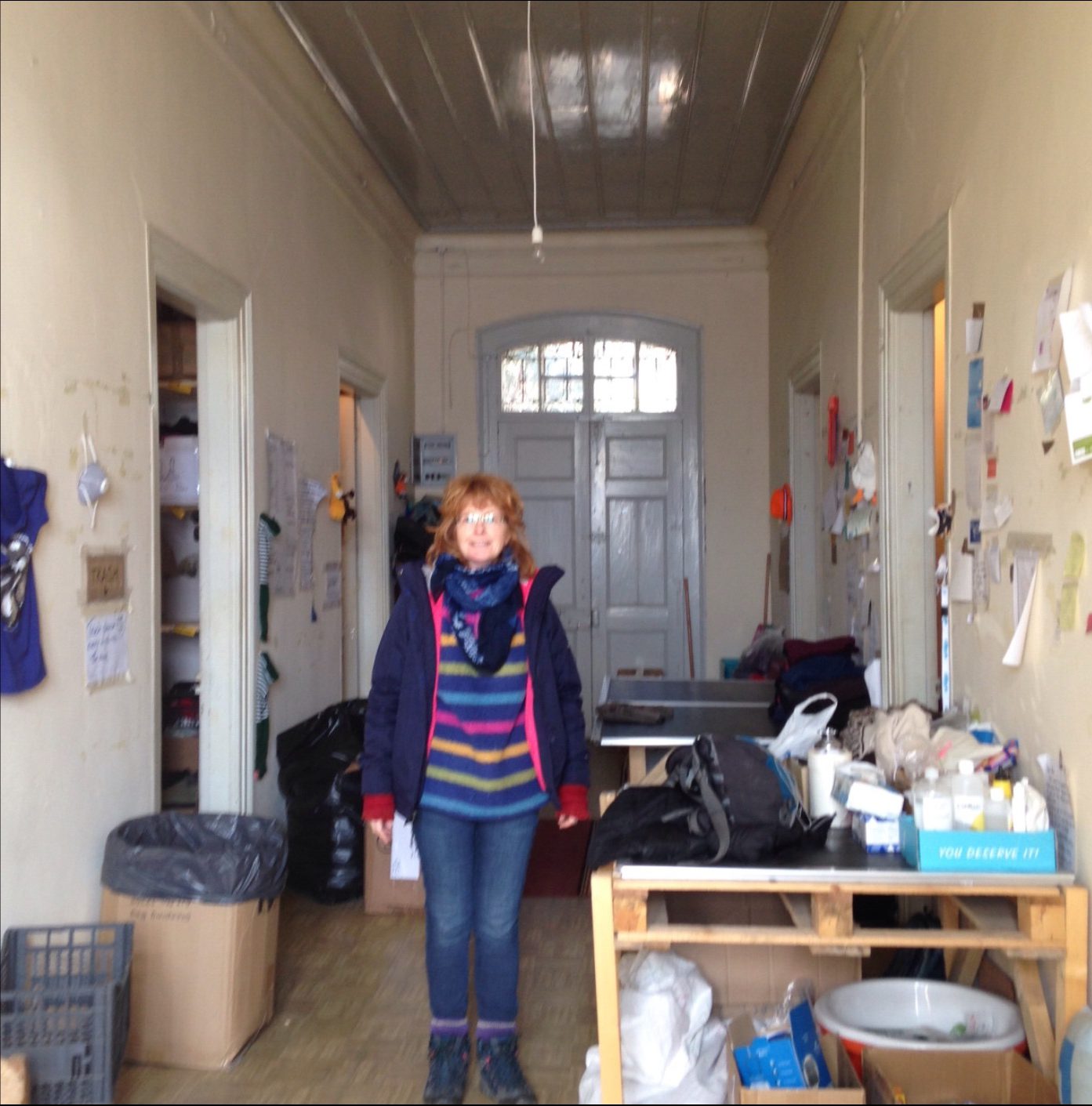
My very first shift. Standing in the hall of the storage house. House was cold so needed to bundle up. Each room filled with boxes of donated clothes from around the world. The generosity, empathy, was overwhelming. All items needed to be sorted into gender, age, size, etc. to ensure a quick pairing with the individual, wet, cold, man, woman, child.
Working the night shift at the Moria camp was an experience I will never forget. Something I could never have imagined. The crisis was up in my face. This camp is where everyone must come through to be registered in order to transit through Athens. This is the only registering place on the island of Lesvos. There are two registration processing lines- Syrian and non-Syrian. Non-Syrians are processed last. Tempers flared. Patience long exhausted. Some pretended they were Syrian, throwing away all of their id. Non-Syrian passports would wash up on shore sometimes. Such a difficult job for the Frontex border patrol. They looked like the bad guys with their harsh behaviour, their verbal brutality. At first I was angry disgusted at their behaviour, it was unnecessary to treat these desperate people this way. Over time I could see their own frustration and overwhelment trying to deal with so many people, endless line ups, the responsibility of trying to keep them all contained, protected. Such a chaotic and stressful situation.
The non-Syrians were mainly from Afghanistan and Iraq. Although on one of my shifts we had a Congo family and an Iranian family. We were strictly instructed never to put the Iranians in the same housing as the Iraqis. I remember being very worried that by mistake I might do this in all the chaos. Myself and my fellow volunteer were on our first shift at Moria; complete rookies. Only one other person with us who was our team leader whom I am sure was cursing being given two brand new recruits. We had not a clue where anything was. We were handed walkie talkies, quickly told what channels to use and the appropriate codes. My goodness I had never even used one of these although I will admit I had always wanted to go 10-4, over and out! My Irish coworker in his charming accent tells me he has just heard some news – there is a bus on the way with 80 refugees. We looked at each other with wide eyes. Oh No. We were on our own. Thank goodness we both had the dry Irish sense of humour resulting in an outburst as he saluted me reenacting a scene from the TV show ‘Mash’. ” Reporting for duty “, standing tall in front of me, clicking his heels together. I got a fright, my radio hanging off my belt came alive- started crackling. Fumbling with my radio controls I obviously was not on the right frequency resulting in a piercing screeching noise. Frazzled, clicking onto different channels screaming “Hello this is Fiona. Can you hear me?” My Irish co-worker doing the same ” This is John. Are you reading me?” I felt that we were in a middle of some comedy skit. We were doubling over with the absurdity that we, the two newbies, were left in charge of the tents, who goes where etc. I finally heard a frustrated voice break through my radio static, “What is your 20?” “My what? ” I answered, feeling inadequate. “Your 20?” “Sorry what is that? ” John was noticeably humoured. A huge fed up sigh filled up my radio, a stern voice, “WHERE ARE YOU?” I was on a very steep learning curve. No training and thrown into the deep end but somehow with several uplifting fits of laughing with John I managed to survive my first Moria night shift.
-

- Blue numbers are the hut numbers. Black writing is how many, what country they are from.
-
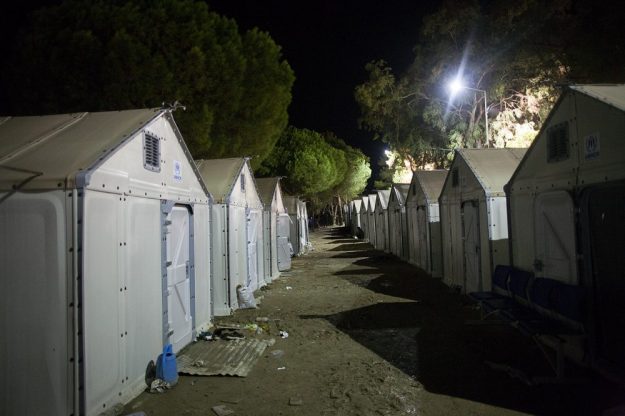
- Huts
-
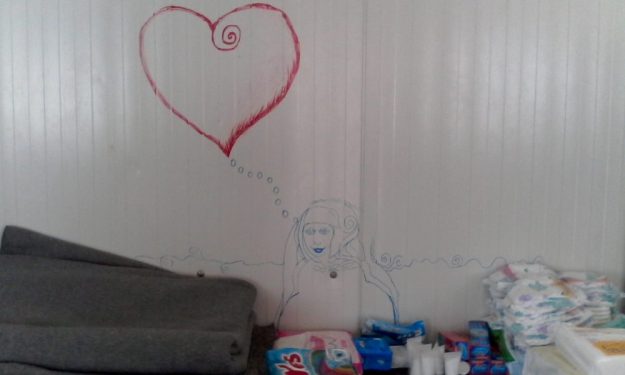
- Wall drawing in the young family area
-
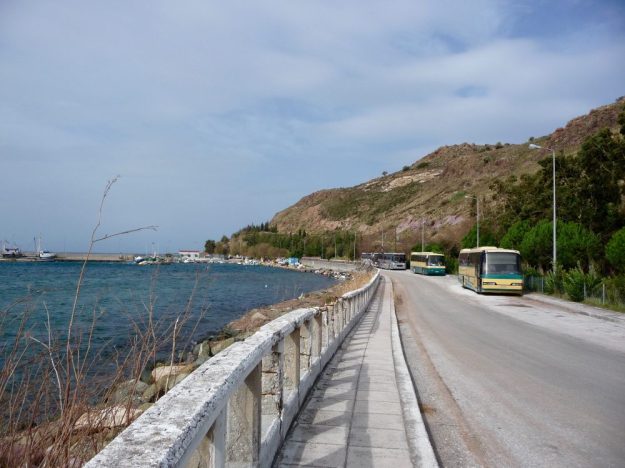
- Buses waiting to bring refugees to Moria camp.
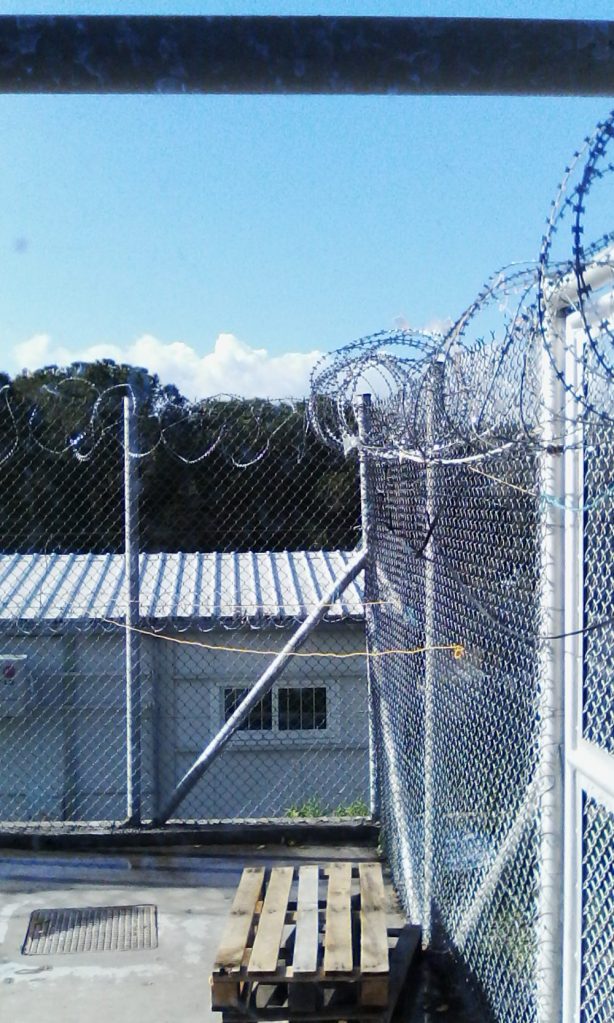
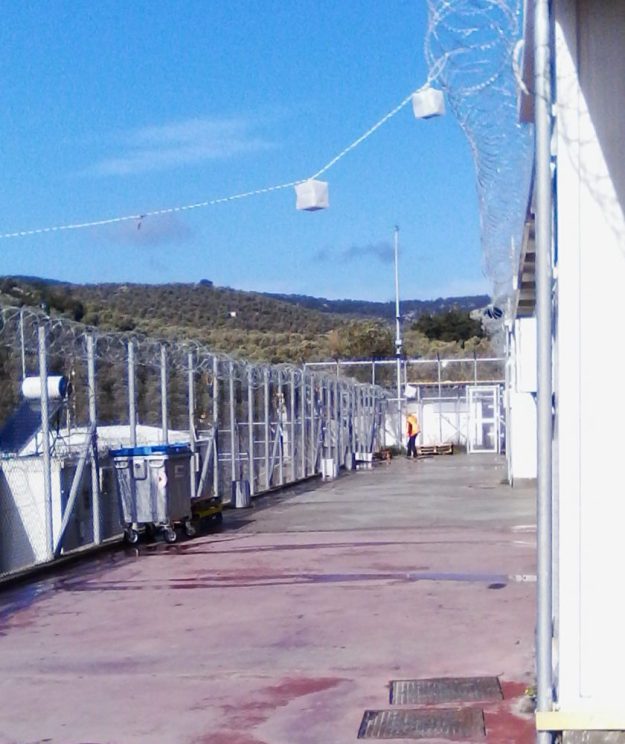
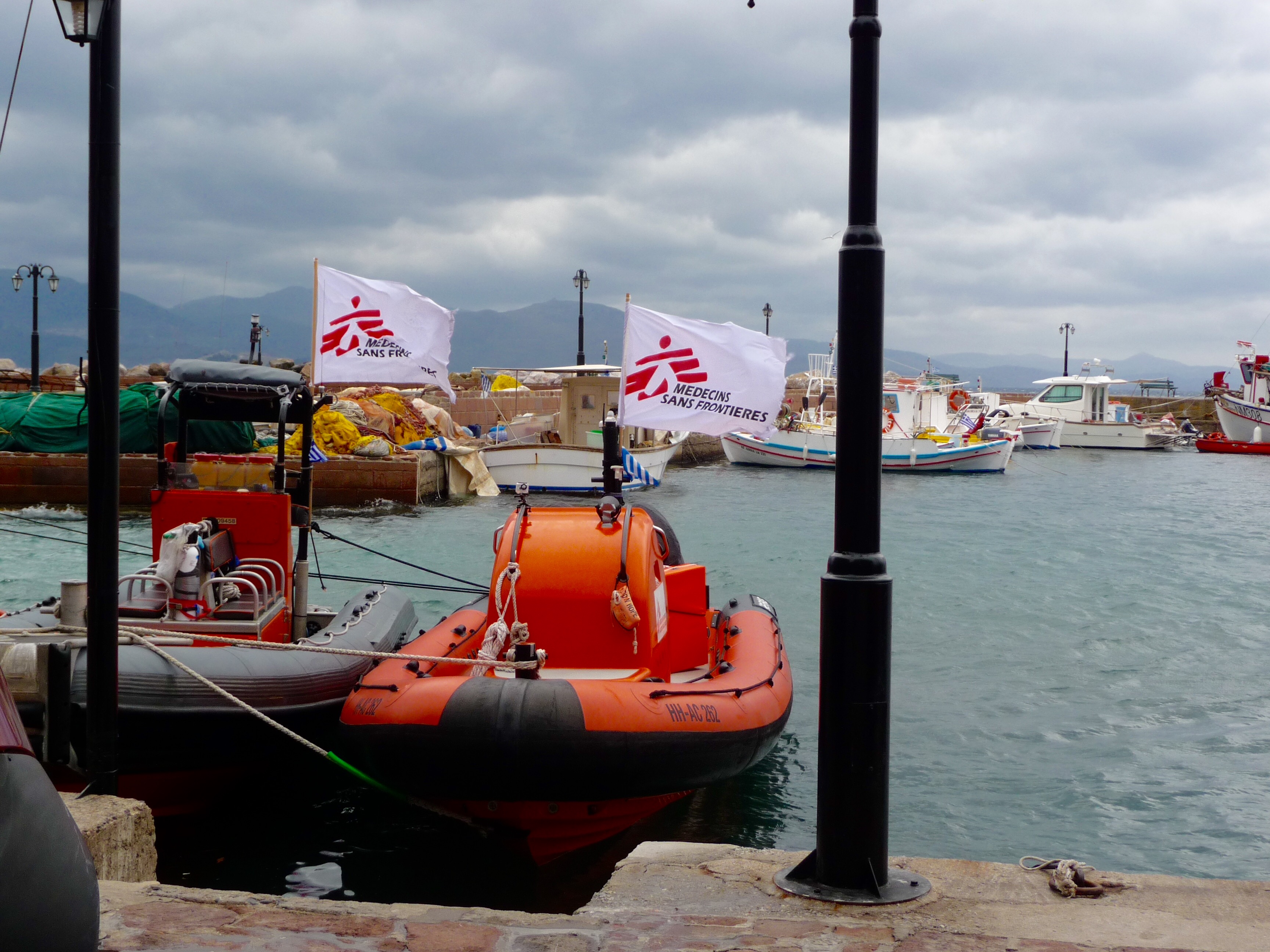
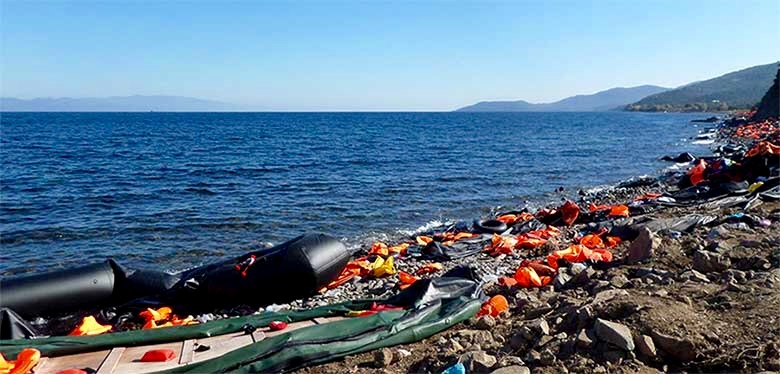
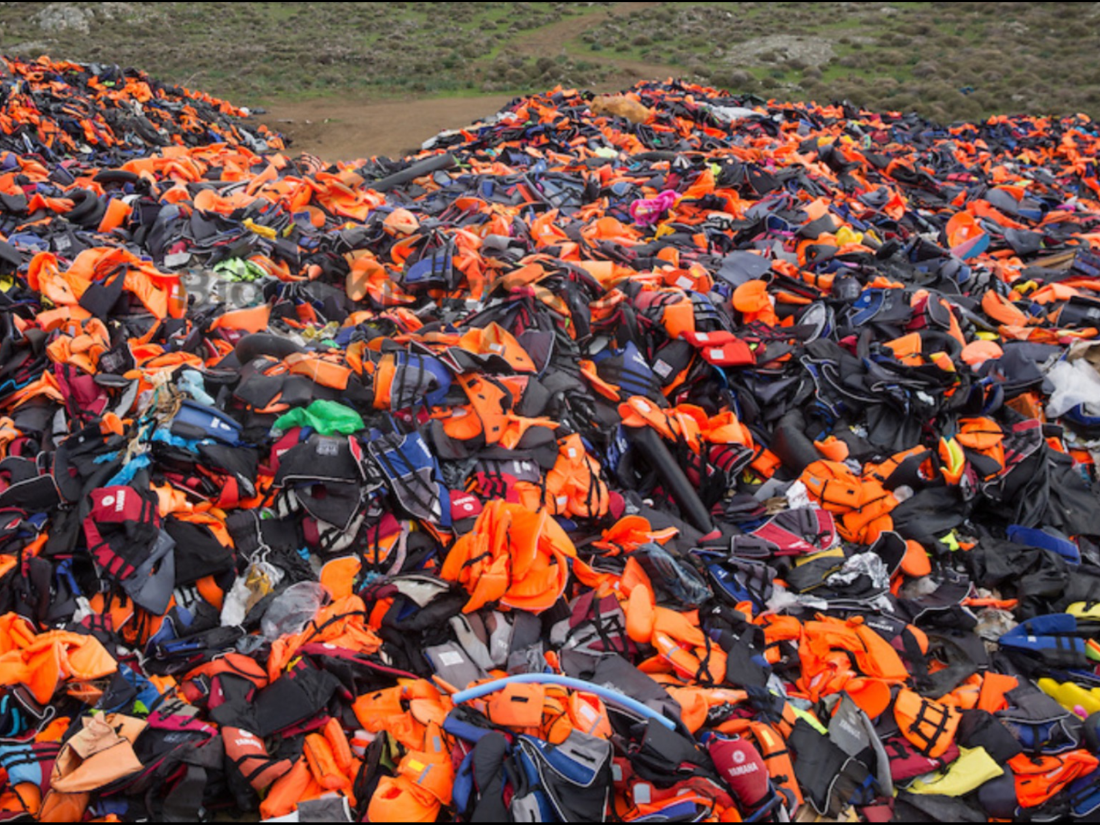
This camp, now run by the police, was a former military prison camp. I had only ever seen something like this on tv. I heard myself gasp. A jarring thud. The place looked very severe built on the side of a steep hill. High chain link fence everywhere topped with loops of razor wire. Dirt and gravel walkways which quickly became a mud slop in the rain. Guard towers staring down upon the containers which housed the refugees. They were referred to as huts but they were more like metal containers. Huts were small, to maybe hold 10 people maximum but at times were crammed with 25 people. No lights. No heat. Huts were dark, very cold. Some nights the metal was coated in a white frost. There were a few huts that had a small inefficient heater. These were kept for families with small children. Windows are not covered; gaping big holes. I am thrust a roll of plastic, scissors and duct tape. As I am on the outside covering the holes trying to coax the duct tape to adhere to the frosted metal frame I hear them. Nervous voices. Seven adults huddled together praying. I can hear them shivering. They had blankets and mats to sit on. Trying to be respectful I did not want to look directly at them. Hard to see. Complete darkness. Knocking on their door I took in cups of hot tea. Black tea with sugar. They were very grateful. Working here at Moria camp was when I felt I had maybe made a difference. I was up close with the people. Many of these people arriving in a very bad state. They have survived the sea crossing from Turkey to Greece and are cold, wet, many in a state of shock particularly the women and children. I will never forget a particular family. It was 2am. Arriving to the camp by bus with 100 or so other Syrian survivors. A mother and child collapsed in the line up. Both convulsing in a state of hypothermia. There were no longer any Drs permitted within the camp. Enforced by the police. Waves of heightened urgency travelled through the camp. People rushing around. Finally we got word that Drs without Borders were now on the scene and treating them. The father standing in front of us incredibly distraught. A translator arrives. He can go and be with them soon. His face, his body, exuded such emotion. I could feel his relief run through me.
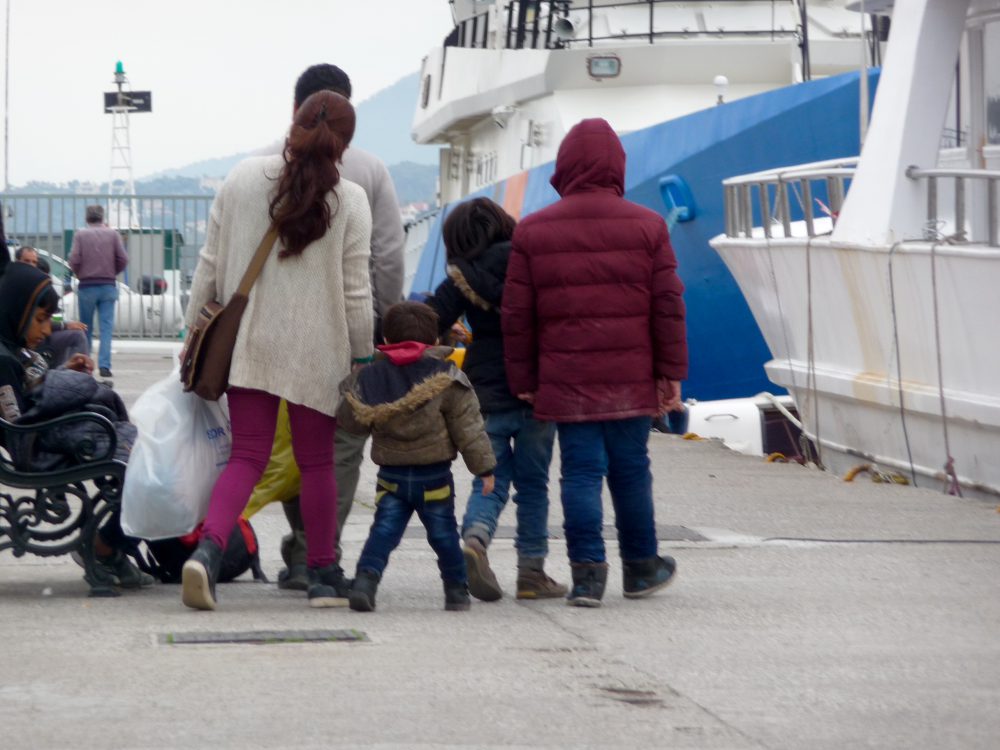
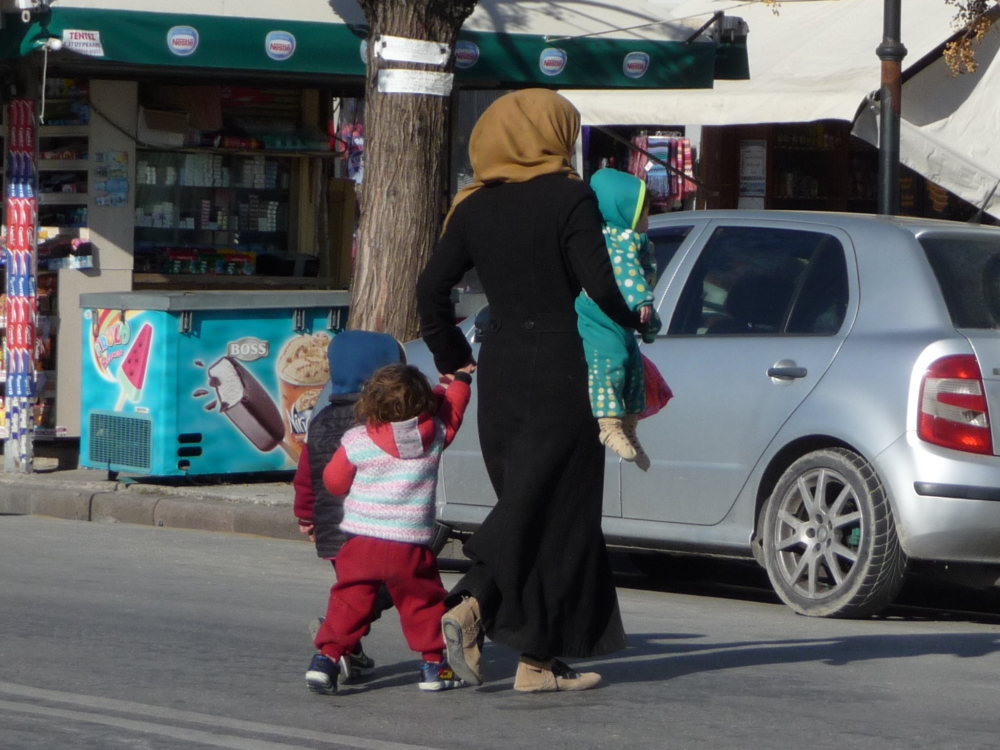
Now somewhat getting the hang of the walky talkey a staticky voice told me to take blankets down to the Syrian processing line. There was a newly arrived family with mild hypothermia. I had to get past the intimidating police at the gate. Word was out that if we didn’t have an official volunteer badge then we would be sent out of the camp. I did not have one yet; as did several other new recruits. I put on the official orange vest and held the pile of blankets in front of my chest implying that my badge was hidden by the blankets. I held my head high, gave a slight nod, and walked past them as if I knew what I was doing. There in my view was a sad sight of a family slumped on a long bench filling it from one end to the other. They were waiting to be summoned into the interview rooms. A daunting interrogation. This process was necessary to be registered. They could not go to the family unit until they had all been registered. The mother with a very young baby, two youngsters under 3, a 5 yr old girl, a 10 yr old girl, and the elderly grandparents all looked spiritless even the young ones. The mother was trying to breast feed her baby who was screaming. The poor mother was stressed, shivering, which was making it almost impossible to nurse. The grandparents looked frail, in shock. There was a shortage of blankets in the camp; I had only been given four. Even though I was told that is all you can have I ran off to find more. The night was very cold. Hovering at 0 degrees. I pleaded their case and returned with three additional blankets draping them around the shaking bodies. I will never forget wrapping up the children. Almost like I would to my own children when wrapping a towel around them after a bath. This is something I could offer to these Syrian children. A mother’s touch. Their big dark eyes looking into my face as I drape the blanket starting at the head and then wrap it around the child making it snug and secure. They smile. Enjoying the warmth. The hug. The interview room door opens. The guards now approach. They start shouting for passports, papers. The parents, grandparents, do not understand. The 10 yr old girl is thrown into the role of representing and translating for her family. The guards are getting frustrated and are demanding their papers. The girl speaks again with her parents. They have no papers. The guards shake their heads, slam the door, go back inside. My heart went out to this girl, just a child, thrown into an adult role of responsibility. She was being so brave. Acting so grown up. A lovely face with huge eyes like deep dark pools. I wanted to rescue her. Rewrapping the blanket around her she thanks me. A light in her beautiful eyes. My mind goes to my daughters. So glad that they are safe. How lucky we are. I look to the Mother who is now able to comfort her baby. We speak to one another through our eyes.
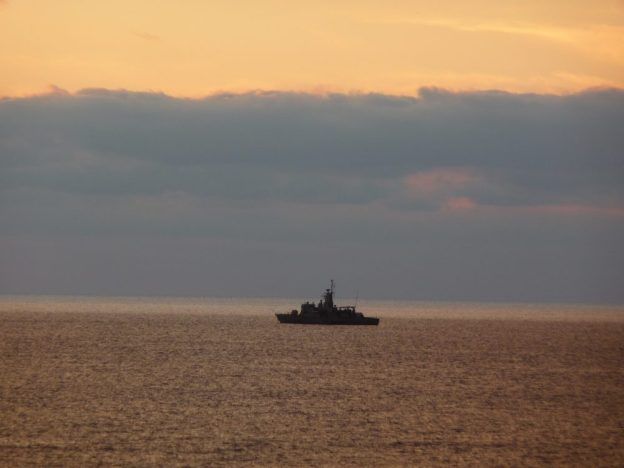
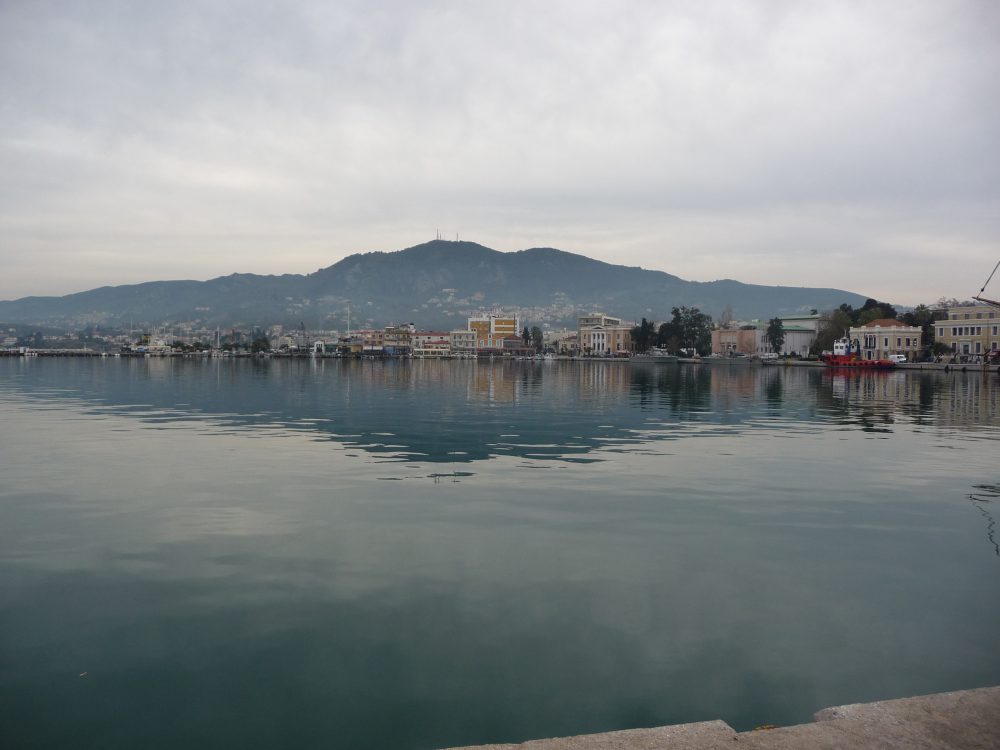
I listened to many stories not only from the refugees but also from the Greek people. They are faced with heavy hardships and challenges. This is a country that was already down on its knees. Weakened. Fragile. The effects of the financial crisis had caused the economy to collapse. I have immense empathy for the people of Lesvos. They are the victims behind the curtain. Many of them rely on tourism. Lesvos is an incredibly beautiful island offering everything for the perfect holiday but the media has portrayed it as a refugee island showing distressing images. Locals are very worried. Their livelihoods in question. The arrival of the war ships changed everything. You could feel it in the air. It was a sobering grave sight waking up one morning to the top photo. Gone were the usual fishing boats. Tour companies have cancelled flights. Speaking with an owner of a gift shop I could see the worry and strain across her face. We had several long chats over my time that I was there. The two of us leaning on the counter, two women from different cultures and backgrounds, relating to one another about juggling children, family life, with running a business. The constant worry about making a profit. A month or two of negative profit hardly sustainable. We seemed to understand each other well. While I was in her shop the lack of activity was noticeable. Her telephone quiet. The customer bell on her door quiet. The risk of losing her business due to the rapid decline of tourists was very real. This on top of the impossible tax demands placed on her seemed unsurmountable. When I left, there were hugs, a few tears. I think of her often and hope she is ok. It was a privilege to have crossed paths with her.
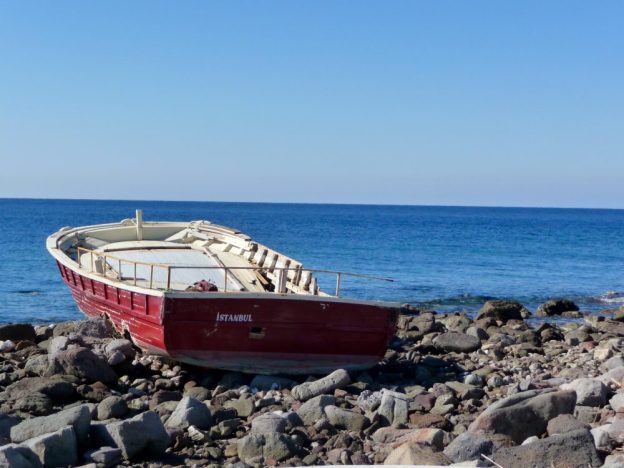
It all seems quite surreal how I had arrived on Lesvos, now actually partaking in the biggest refugee crisis since WW2. I had been sitting in my UK housesit aware and anxious of my son’s anniversary of his death soon to be upon me. Feeling not ready to face the harsh reality, the permanent absence of my son in our home back in Canada I needed to find another housesit. I turned to the housesitting website that I belong to. Putting in the months Dec, Jan in the search, a housesit in Greece presented itself. I really didn’t care where it was as long as it would see me through this difficult period. I checked the airfare and it was 64 pounds London to Athens. I could barely get back to Ireland for that. I applied for the housesit and as they say , ‘ the rest is history ‘. Now here I was in Greece watching the refugee crisis unfold on greek tv. I felt compelled to help. After all I was in the right country and I had the time. I applied to a local Greek NGO thinking that my life skills could be of some help. The next thing I was on Lesvos joining other volunteers who had come for the same reasons. For the most part we all had the same respect for humanity, displaying acts of kindness, helping to provide the very basic necessities of life- food, water, and shelter. This contribution of our time, our hours of work, came at our own costs- our food, accommodation, flights etc. It was empowering to see how many people from all corners of the world came to help, to get to know them, hear their life stories.
The more I observed and spent time with people from different nationalities it became apparent that although we come from different cultures, backgrounds, we are more similar than we are different. They are just regular normal people like you and me wanting the same things in life as anyone of us: to be happy, to have peace in our lives.
Helping these people made me feel worthy, better about things – me as a person, the world, life. I most definitely felt a change came over me. A sense of strength, healing. It was a life changing experience. By giving I most definitely received.






 JASON'S STORY, a mother's story